Is your Dove Mountain home ready for fast-moving summer storms? Monsoon season in Marana can bring intense downpours, powerful winds, lightning, and dust in a single afternoon. You want to protect your property, keep your family safe, and avoid last-minute stress when the first storms roll in. This guide gives you a simple plan, local context, and trusted resources so you can prepare with confidence. Let’s dive in.
What monsoon means in Marana
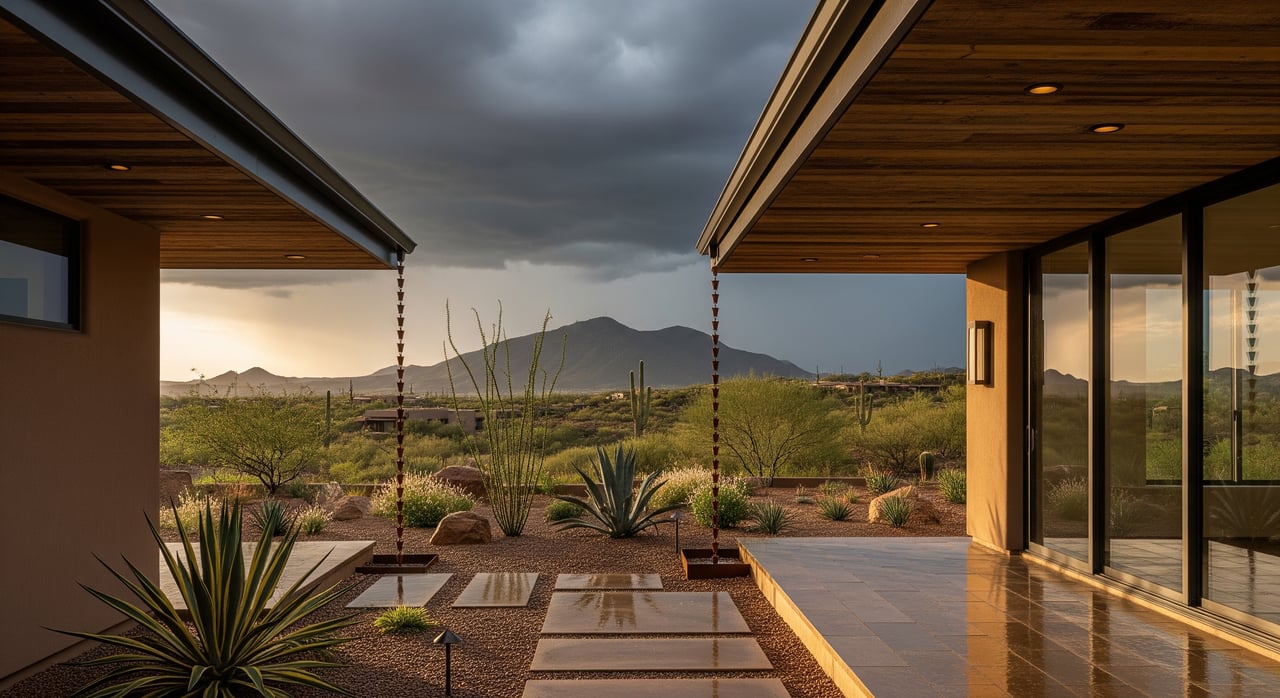
Arizona’s monsoon typically develops in mid-June and runs through September, with the most frequent storms in July and August. These are short, high-intensity thunderstorms, not daylong rains. You can see rapid runoff, rising wash flows, and strong gusts in minutes. Learn more in the NOAA overview of the North American monsoon.
Dove Mountain sits near mountain slopes and natural washes that can concentrate water during storms. The main risks include flash flooding, sudden dust storms, damaging winds, lightning, and occasional hail. For real-time local alerts and forecasts, follow the National Weather Service Tucson office.
Start in late spring
Aim to complete inspections and service tasks in May to early June. Contractor demand jumps once storms begin. Tackle the highest-impact items first: roof and drainage, outdoor items, and critical systems. Then finish with your emergency kit and household safety plan.
Roof and attic: small fixes, big protection
Your roof takes the brunt of wind and water. Tile and shingle roofs can hide problems, so look closely or hire a licensed roofer.
- Walk the perimeter from the ground or use a roofer to check for cracked, missing, or loose tiles, damaged ridge caps, and worn flashing around vents and skylights.
- Inspect the attic for water stains, damp insulation, or musty odors.
- Secure rooftop equipment like satellite dishes, vents, and solar racking, and verify penetrations are watertight.
- If you have a flat roof, clean roof drains and scuppers.
For general upkeep tips, the National Roofing Contractors Association’s guidance on roof maintenance is a helpful reference.
Gutters and drainage: keep water away
Your goal is to move water away from the foundation and avoid ponding near the house.
- Clean gutters and downspouts. Add splash blocks or extenders so water discharges several feet from the foundation.
- Check that the soil slopes away from the home. A simple rule of thumb is about 1 inch of drop per foot for the first 5 to 10 feet where possible.
- Clear driveway or yard drains and any gravel traps. Look for low spots that collect water and adjust grading or landscaping.
- If runoff backs up at patio doors or garage thresholds, consider channel drains or French drains where allowed.
- If you live near a wash, confirm your lot’s elevation and safe flow paths. Do not assume proximity to a wash is safe without review.
Openings and outdoor items
Wind and debris can turn small gaps into water entry points.
- Repair or replace torn screens and tighten frames. Check door thresholds and weatherstripping.
- Verify that sliding and patio doors latch securely.
- Before a storm, bring in or secure umbrellas, sunshades, cushions, and lightweight furniture.
- If you want added wind protection, discuss temporary storm screens or impact-rated options with your HOA before you buy.
Landscape and trees
Target weak limbs and erosion-prone spots.
- Trim dead or overhanging branches, especially near roofs, patios, and power lines.
- Relocate or secure potted plants and light planters so they do not blow into windows.
- Stabilize bare, eroding slopes with rock checks or plants suited to your area.
- Adjust irrigation so soil is not saturated before a storm, while still supporting desert landscaping in summer heat.
Mechanical systems and utilities
Service key systems ahead of the season so they are ready when you need them most.
Build a right-sized emergency kit
Create a three to seven day supply tailored to hot-weather needs. Ready.gov offers a simple list of essentials.
- Water: at least 1 gallon per person per day. Add more for pets and high heat days.
- Nonperishable food, manual can opener, and basic tools.
- Flashlights, extra batteries, battery-powered or NOAA weather radio, portable power banks.
- First aid kit, medications, copies of IDs and insurance, and some cash.
- N95 masks and goggles for dust, plus plastic sheeting and duct tape.
- Pet food and supplies. Cooling aids like battery fans or cooling packs.
For a complete list, see the Ready.gov emergency kit guide.
Safety during storms
Plan how you will respond before weather arrives.
- Flash flooding: never drive through flooded roads. Even shallow moving water is dangerous. Review NWS flood safety guidance.
- Dust storms: if driving, pull off safely, turn off lights, set the parking brake, and wait until visibility improves. Keep windows and vents closed.
- Lightning: seek shelter indoors, avoid plumbing and corded electronics, and stay away from windows.
- After storms: avoid standing water, downed lines, and damaged structures. Report outages and hazards to utilities and local services.
Power outages and heat
Outages in July or August can be more than inconvenient. Prepare now to manage heat safely.
- Identify cooling centers in case of extended outages and check on neighbors who are vulnerable.
- Never run a gasoline generator indoors or near windows or doors. Install carbon monoxide alarms if you use a generator.
- Keep extra water on hand and prioritize shaded, cooler rooms during peak heat.
Sandbags: when they help
Sandbags can help divert shallow, short-term flows and protect low doorways or garage openings. They are not a guarantee against deep or fast-moving water. Proper placement, enough bags, and plastic sheeting are key, and deployment takes manpower.
- Fill bags about two-thirds full, fold the top, and tamp flat.
- Stack in a staggered, pyramid shape and use plastic sheeting beneath or behind the barrier to improve water resistance.
- Local pickup locations and rules change by event. Check the Town of Marana and Pima County emergency pages for current distribution updates and disposal guidance. Prepare early rather than waiting for a storm.
Insurance and documentation
Standard homeowners policies usually exclude flood damage. Lenders often require flood insurance in higher-risk zones, and it can be a smart move elsewhere depending on your lot and nearby washes.
- Review your coverage before monsoon season and discuss flood insurance options with your provider.
- Photograph your home and key systems now to document pre-storm condition.
- To view regulatory floodplains, use the FEMA Flood Map Service Center and consult local floodplain information from Pima County if needed.
After a storm: quick recovery steps
Act within 24 to 48 hours to reduce damage.
- Photograph exterior and interior areas before cleanup.
- Remove wet materials and dry affected spaces as soon as it is safe. The CDC’s mold cleanup guidance explains how to reduce health risks.
- Wear gloves and boots for debris handling. Treat unknown standing water as contaminated.
- For solar or electrical issues, contact qualified technicians. Follow manufacturer instructions and safety procedures.
Local alerts and planning
Sign up for town and county emergency alerts and review evacuation routes with your household. Follow watches and warnings from the National Weather Service Tucson office. Build a simple communication plan with a local and an out-of-area contact. Update your kit and plan at the start of each season.
Bringing it all together
A few focused steps in late spring can save you stress when the first thunderheads build over Dove Mountain. Start with your roof and drainage, secure outdoor items, service critical systems, and assemble a right-sized emergency kit. Keep a close eye on local forecasts and alerts, and review insurance details before storms arrive.
If you are considering a move or want a property-specific perspective before monsoon season, let’s talk. I am here to help you make smart, timely decisions for your Dove Mountain home.
FAQs
When to start monsoon prep for a Dove Mountain home?
- Begin inspections and service in May to early June so you have time to schedule contractors before peak July–August storms.
What are the biggest monsoon risks in Marana?
- Expect intense, short-duration downpours, flash flooding, strong winds, dust storms, frequent lightning, and occasional hail.
How do I know if I need sandbags at my home?
- Use sandbags for shallow, short-term flows and to protect low openings; check Town of Marana and Pima County pages for current distribution and instructions.
What should go in a basic emergency kit for monsoon season?
- Pack water, nonperishable food, flashlights, batteries, phone chargers, first aid, medications, documents, cash, tools, N95 masks, and pet supplies, following Ready.gov’s kit list.
Is my tile roof at higher risk during storms?
- Properly installed tile roofs are durable, but loose or cracked tiles and damaged flashing are common issues; regular inspections reduce leaks and wind damage.
Should I shut off utilities before a storm?
- You can shut off water if a leak occurs, but follow utility guidance for gas shutoff and relight; only shut off electricity if advised or in a life-safety situation.
How can I protect my solar panels in a monsoon?
- Have racking and flashings inspected, secure cabling, and review inverter shutdown steps; see SEIA’s solar safety information and use certified technicians.