Relocating To Tucson Metro: How To Choose The Right Area
February 19, 2026
February 19, 2026
Moving to Tucson but not sure where to land? With the Catalinas on the horizon and several distinct submarkets to compare, it can feel overwhelming to pick the right spot. You want the right balance of commute, budget, lifestyle, and housing style without guessing. This guide walks you through a simple decision framework and clear snapshots of Catalina Foothills, Oro Valley, Marana, and central Tucson so you can shortlist with confidence. Let’s dive in.
Your work schedule should be your first filter. Map peak-hour drives to your main destinations like downtown, the University of Arizona, major hospitals, or Davis-Monthan. The University of Arizona is a major employer and activity hub, so proximity matters if you’ll be there often. At a high level, regional data shows meaningful differences in mean travel time by jurisdiction, with Oro Valley tending to have shorter averages than some outlying suburbs and Marana trending longer. Use live mapping for your routes and confirm trends with regional planning data from the Pima Association of Governments.
Tucson-area single-family medians were in the mid-300ks in early 2026, with a metro snapshot around $365,000 in January 2026. Prices vary widely by subarea, lot size, and age of home. Use these figures as context only and expect neighborhood-level differences once you drill down.
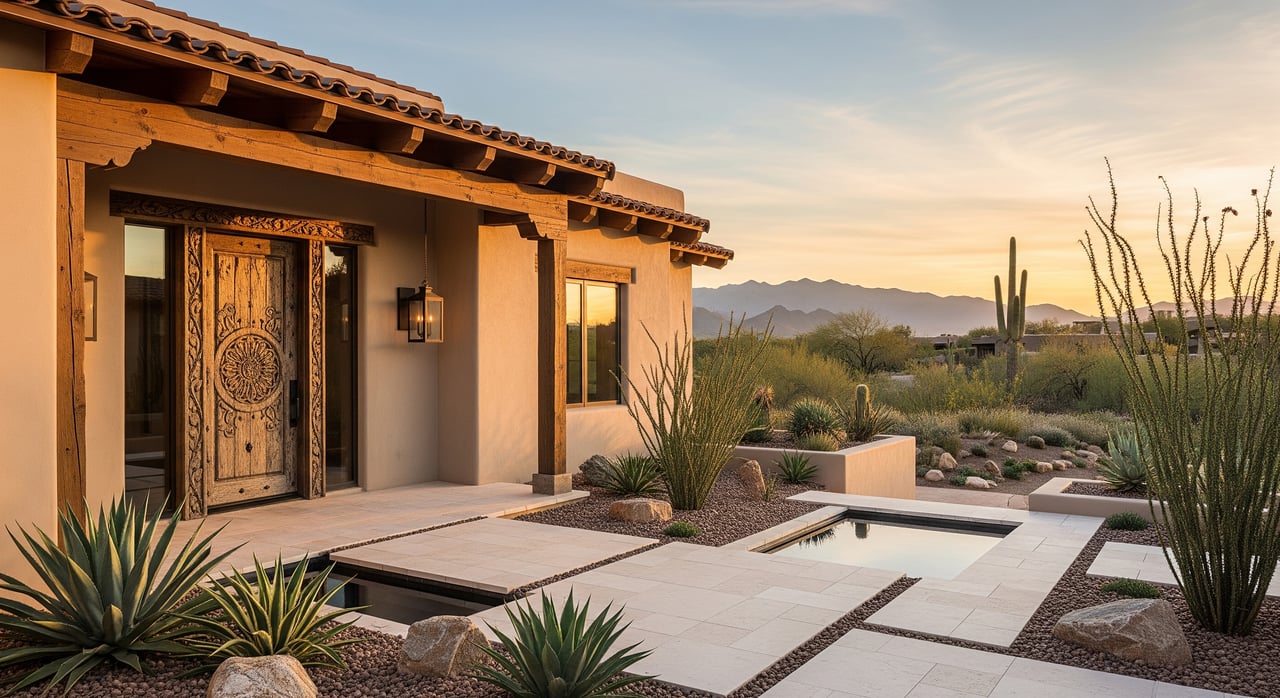
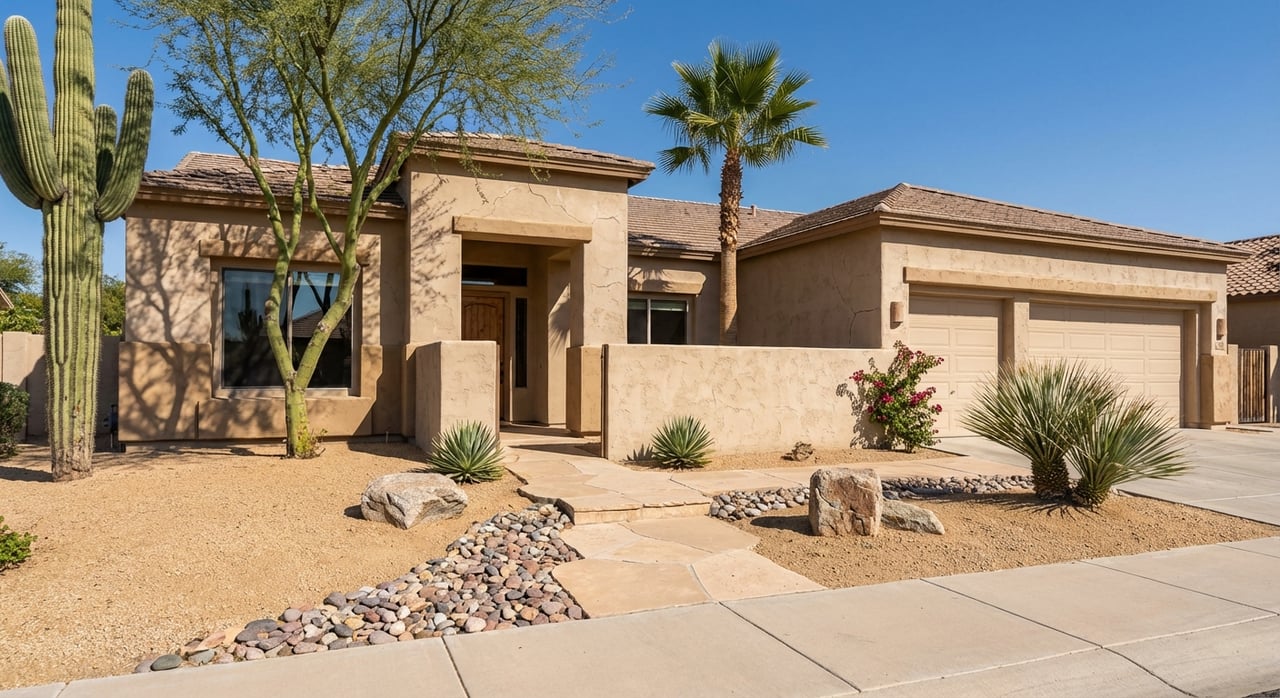
Think about the kind of home and lot you want. The Foothills offer custom estates, golf communities, and striking mountain views. Oro Valley and Marana include many master-planned communities with newer construction. Central Tucson brings historic charm and walkable streets with smaller lots. If you want low-maintenance or condo options, note HOA rules and typical year-built.
If trail time or quick park access matters, focus on foothills corridors like Sabino Canyon, Pusch Ridge, and Linda Vista. For walkable urban errands, consider central neighborhoods. Suburbs offer larger retail centers, medical services, and easy parking along main corridors. Use official park and forest resources when planning test drives to trailheads.
If schools are part of your decision, verify attendance zones for each specific address. The Catalina Foothills Unified School District is well known in the region, but boundaries can be very specific block by block. Charter options also exist throughout the metro. Always confirm details directly from district and school pages.
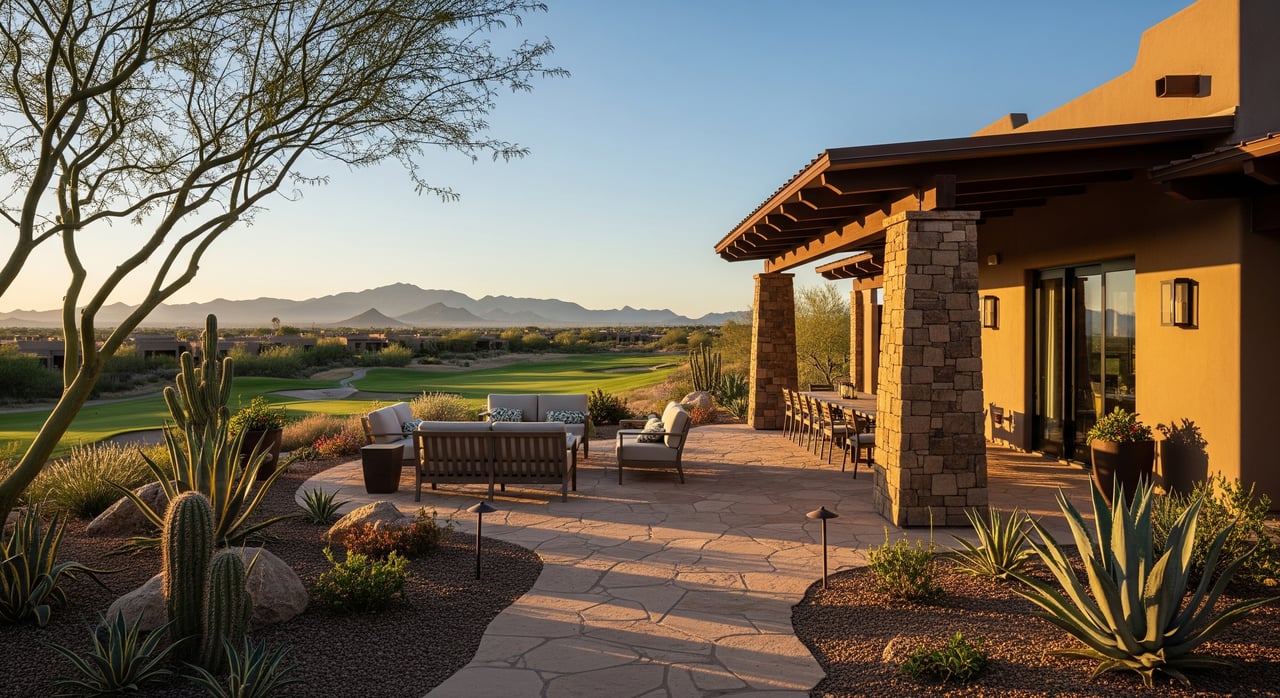
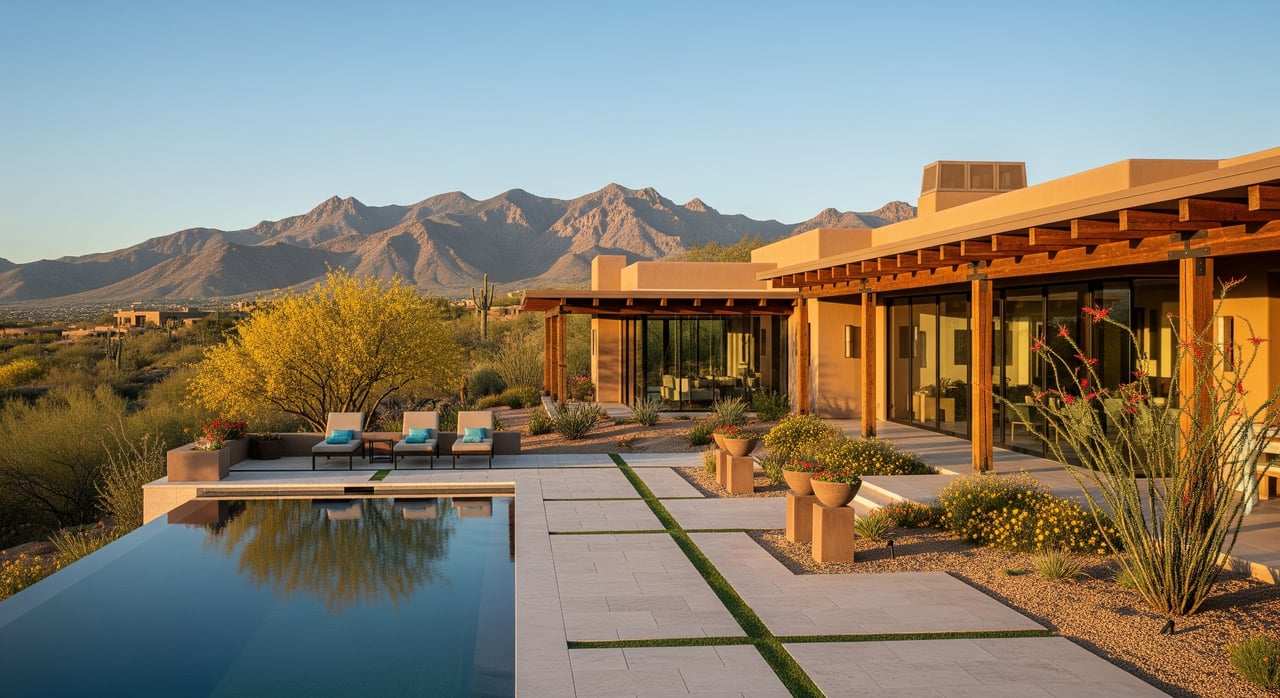
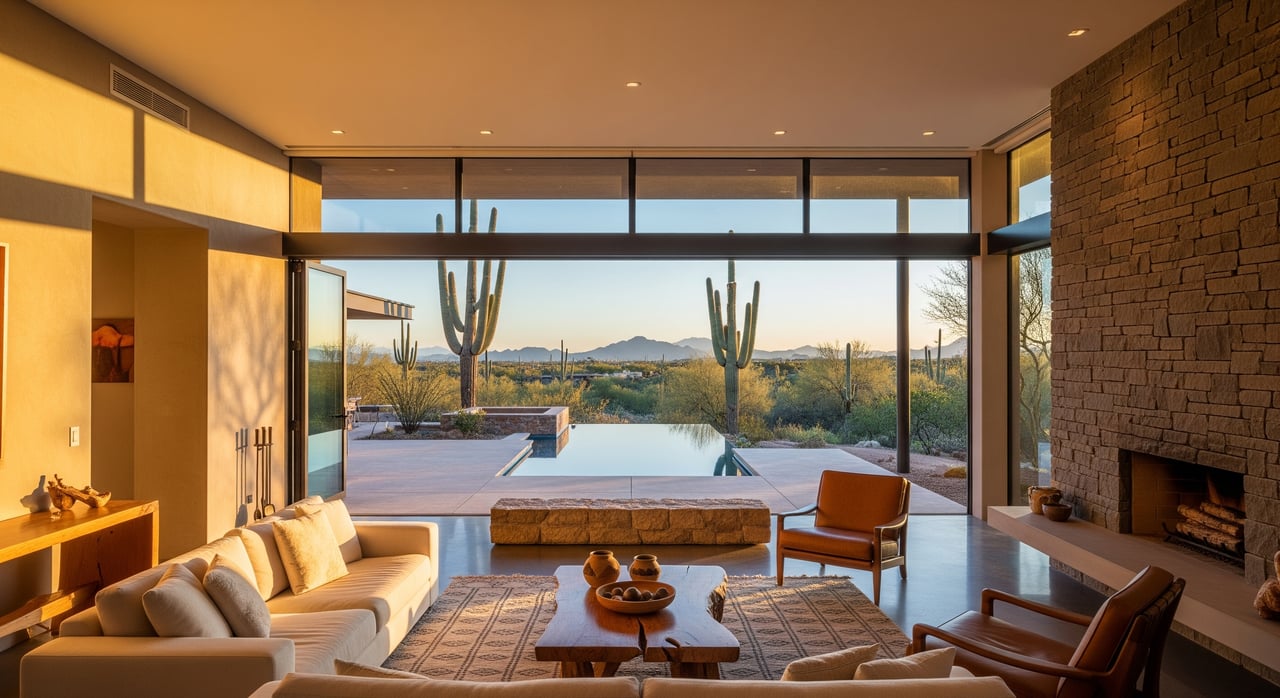
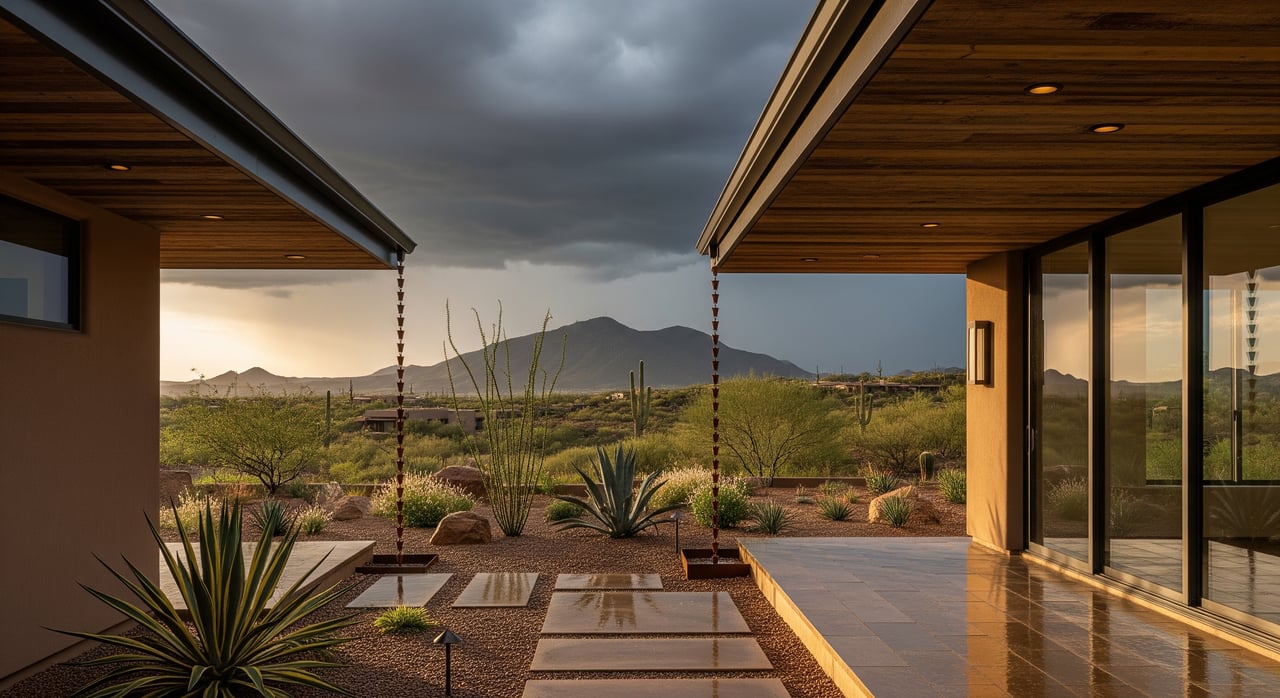
If you picture rugged mountain backdrops and desert sunsets, the Foothills deliver. Housing ranges from midcentury ranch homes and townhomes to custom hillside estates in communities like Ventana Canyon, Pima Canyon, and La Paloma. Recent list-price snapshots often land in the upper-600ks, with large swings by neighborhood and lot.
Commute times to central Tucson and the University area are often shorter than from farther northwest suburbs, depending on your exact location. Daily life here leans into trailheads like Sabino and Pima Canyon, resort amenities, and established dining corridors along the foothills arterials. If schools are on your list, confirm attendance zones within the Catalina Foothills Unified boundaries for any specific home.
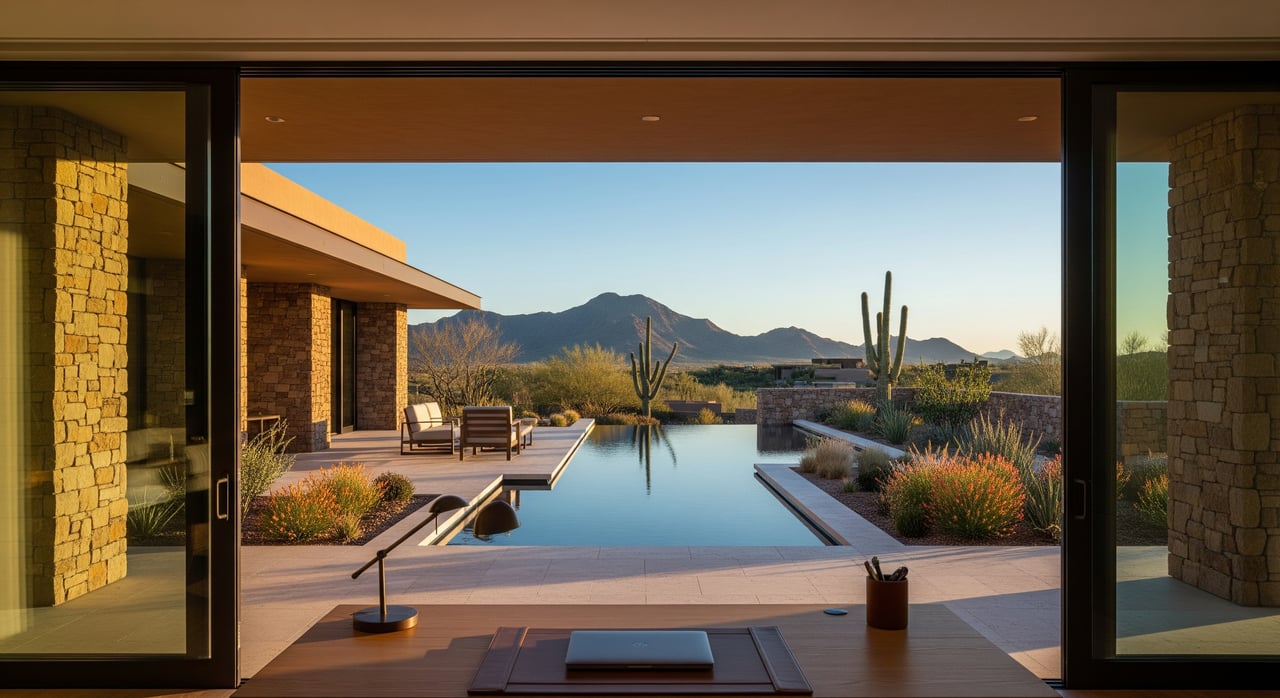
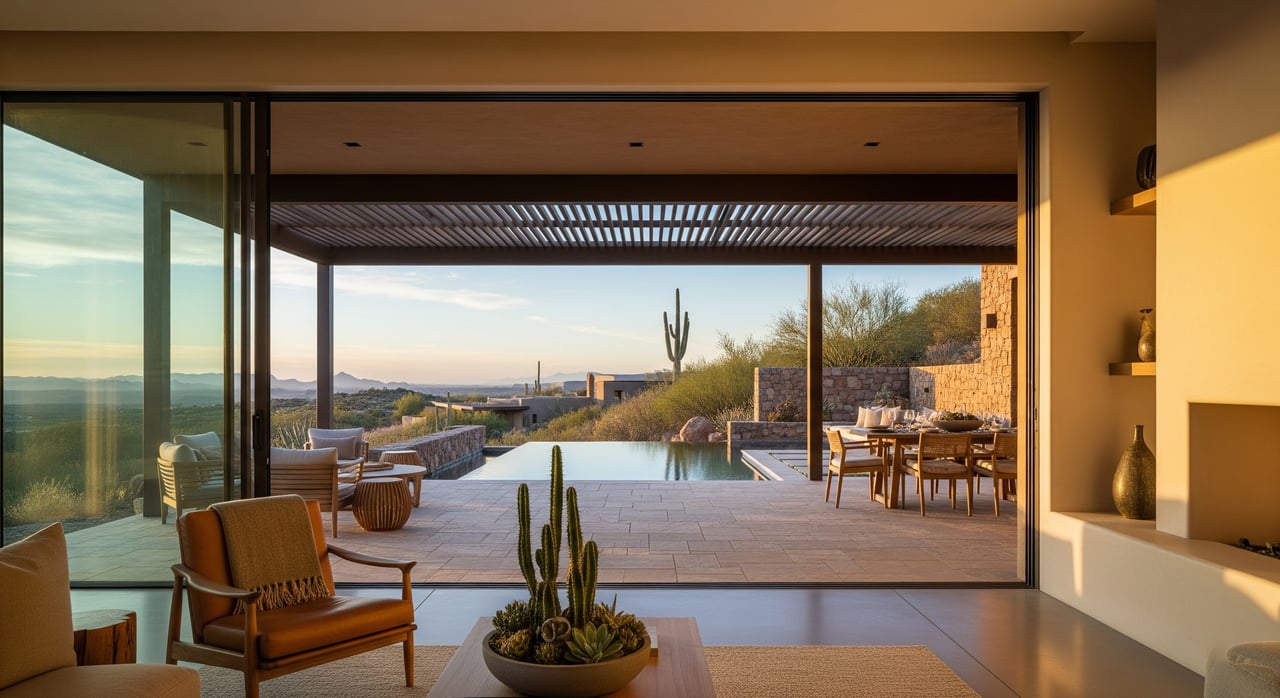
Oro Valley sits just north of Tucson’s city limits with quick access to Pusch Ridge and Linda Vista trails. You’ll find large master-planned neighborhoods such as Rancho Vistoso, single-family homes on tidy lots, golf communities, and pockets of newer luxury enclaves. Median value benchmarks have trended around the high-400ks, generally above the city average but below the priciest Foothills micro-markets.
Regional data shows Oro Valley’s mean commute times compare favorably to some outlying suburbs, which helps if you split time between home and central Tucson. The town highlights an extensive park and trail network, community recreation programming, and medical services along main corridors. Review school options across the Amphitheater district and area charters, and verify address-level assignments.
Marana stretches along I-10 and has grown rapidly with new residential and commercial development. Housing includes new-construction subdivisions, townhomes, and larger-lot homes, with communities like Dove Mountain offering higher-end options. Median value benchmarks often land below Oro Valley and the Foothills, which can stretch your budget for more square footage or newer finishes.
Highway access makes regional travel straightforward, including trips to Phoenix, but mean commute times at the jurisdiction level trend longer than in Oro Valley. Plan your test drives during weekday peaks to see how your route behaves in real time. Outdoor options include Tortolita foothills trails, golf courses, and expanding retail services.
Central Tucson brings historic bungalows, adobe and craftsman homes, plus infill condos and townhomes on smaller lots. Median listing figures have hovered in the low to mid-300ks in recent snapshots, with significant variation by neighborhood and condition. If you value walkability, restaurants, and quick access to downtown and the University, this is where to look.
Tradeoffs include more street parking and smaller yards compared with the suburbs. In return, commutes to central employers are short, errands can be car-light, and you get the character that comes with older housing stock. For investors, proximity to the University can support rental demand, though you should verify local regulations and HOA rules before you buy.
You want a confident decision, not a coin toss. With a clear brief, live-drive testing, and targeted MLS data, you can quickly narrow to two or three neighborhoods that fit how you actually live. If you’d like a local partner to manage remote tours, compile side-by-side reports, and coordinate your next steps, connect with Cindie Wolfe for concierge-level guidance tailored to your move.
Stay up to date on the latest real estate trends.