Do some months in Oro Valley feel like every home gets snapped up while others stay calm? You are not imagining it. Our local market runs on two overlapping cycles that shape when listings surge, showings spike, and closings stack up. In this guide, you will learn how seasonality works in Oro Valley, the best months to list or shop, and practical steps to plan your move with less stress and better results. Let’s dive in.
Two cycles drive Oro Valley
Oro Valley’s seasonality blends the national spring selling season with Arizona’s winter visitor patterns. That mix creates unique timing advantages for both buyers and sellers.
- Winter visitors: Mild winters bring “snowbirds” and seasonal guests from November to April. Many tour homes during extended stays, which lifts weekday showings and brings motivated, often cash-ready buyers into the mix.
- Spring momentum: Across the U.S., listings and buyer activity rise in late winter and peak in spring. The Tucson metro follows this pattern, with Oro Valley shaped by the added winter demand from seasonal residents.
- Summer and school moves: Families often plan to move in summer to avoid school-year disruptions. Contracts written in late spring commonly close from May to August.
- Holidays and scheduling: Mid-December to early January slows activity as lenders, inspectors, and appraisers take time off. Late July can also see delays due to vacations and heat.
What changes by month
New listings
- Peak: February to May, when sellers aim for maximum buyer exposure during higher traffic months. Many prepare in January to launch early.
- Secondary steady period: July to August, as family sellers time purchases and sales around school calendars.
- Slowest: November and December, when holidays and seasonal travel reduce new listing activity. Some part-time owners also wait to list until after winter visitors depart.
Showings and buyer traffic
- Winter lift: November to March brings elevated showings from snowbirds and seasonal visitors. Many retirees and investors can tour during weekdays, which keeps traffic steady.
- Spring surge: February to May adds broader buyer interest on top of winter demand. Competition increases, and homes that are well priced and well presented can draw quick offers.
- Summer lows: Late June through August, extreme heat reduces midday showing effectiveness. Serious buyers still tour in the morning and evening.
Offers and contracts
- Offer activity tends to concentrate from March to May after new listings hit in late winter. Well positioned homes can see multiple offers.
- In early fall, as visitor traffic eases, some buyers gain more time and negotiating room depending on inventory.
Closings and timelines
- Peak closings: May to August, reflecting the 30 to 60 day escrow period from spring contracts.
- Slowest closings: Late December and early January due to holiday schedules and vendor availability.
Days on market and pricing pressure
- Faster pace: During the late winter and spring overlap, demand rises and days on market often shorten. Pricing pressure can increase.
- More negotiation room: In early fall and late winter after visitor departures, buyers may find more flexibility if inventory holds.
Best timing for sellers
You can sell well in any month with the right strategy. That said, timing can help you reach more qualified buyers and manage your timeline with less stress.
- Aim for the broadest demand: If you want the largest buyer pool and strong competitive momentum, list in February or March. Prepare photos, staging, and marketing in January.
- Target winter visitors: If your home appeals to retirees, second-home buyers, or golfers, listing in late October or November can capture early snowbird traffic. Be mindful of holiday schedules and plan tasks and vendor bookings ahead.
- Align with school calendars: If you are selling a family home and plan to buy locally, consider listing in April to June so you can close in early summer.
- Show well in every season: Summer showings should be scheduled in cooler morning or evening windows. In winter, highlight low-maintenance desert landscaping, single-level living, and spaces that work for guests.
- Avoid year-end bottlenecks: If possible, do not target a closing date in the last two weeks of December. Lender and vendor time off can stretch timelines.
Pro tip: Simple updates can pay off when timed to seasonality. Refresh curb appeal before a February launch, tidy up patios before winter open houses, and service HVAC before summer showings.
Smart timing for buyers
Whether you live nearby or are visiting from out of state, your timing can help you see the right homes and negotiate with confidence.
- Visit for selection: January to March and March to May offer the best mix of active listings and market activity. You will see how neighborhoods feel when many seasonal residents are in town.
- Seek leverage: September to November and late December to January (outside the peak holiday weeks) can bring fewer competing buyers. Inventory may be lighter, but you can gain time to evaluate options.
- Plan for heat: In summer, tour in the morning or early evening when homes show comfortably. Be ready to act quickly on well priced listings.
- Go remote if needed: If you cannot attend in person, use video tours, early offer strategies with inspection periods, and local vendors who understand seasonal schedules.
- Families and relocations: Start your search in spring to write offers from April to June and close before school starts.
Investors and short-term rentals
Winter months can bring high occupancy for seasonal rentals. If you are considering a property for seasonal or short-term rental use, verify HOA rules, town ordinances, and tax requirements before you buy. Some neighborhoods have restrictions, and compliance planning is essential to protect your returns.
Your planning checklist
Use this quick checklist to align your move with Oro Valley’s seasonal rhythms.
Define your goal and window
- Sellers: Decide if you are aiming for the broad spring buyer pool or targeting winter visitors. If you need a summer closing, work backward to set your list date.
- Buyers: Choose between maximum selection in spring or quieter fall periods for potential negotiation room.
Prep your property or finances
- Sellers: Schedule landscaping, painting, and staging so your home is photo ready before your go-live month. Desert-friendly curb appeal and inviting outdoor spaces make a strong first impression.
- Buyers: Secure pre-approval and share your timing with your lender. Ask about turnaround times during peak months.
Book vendors early
- Schedule inspections, appraisals, and repairs as soon as you have a ratified contract, especially from February to May when calendars fill fast.
Mind the calendar
- Try to avoid closing in late December. Plan around late July vacations as well. Build in buffer time if your transaction involves mortgage underwriting.
Understand local logistics
- Expect most escrows to run 30 to 45 days in typical scenarios. Coordinate HOA documents, utility transfers, and any property tax prorations early. Pima County timelines can differ from those in other states, so gather details up front.
For snowbird owners
- If you rent your home seasonally, coordinate turnovers around typical arrival and departure windows in November and April. Allow maintenance time between guests.
How this differs from colder markets
In many northern markets, winter is the quiet season. Oro Valley is different. Visitor demand lifts winter showings, especially for single-family homes and golf or resort-style communities. That means you can attract in-market buyers in winter even if overall listing counts dip around the holidays. Entry-level neighborhoods may still follow a more traditional spring and summer rhythm, while luxury and golf-adjacent areas often see stronger winter interest.
Strategy snapshots by property type
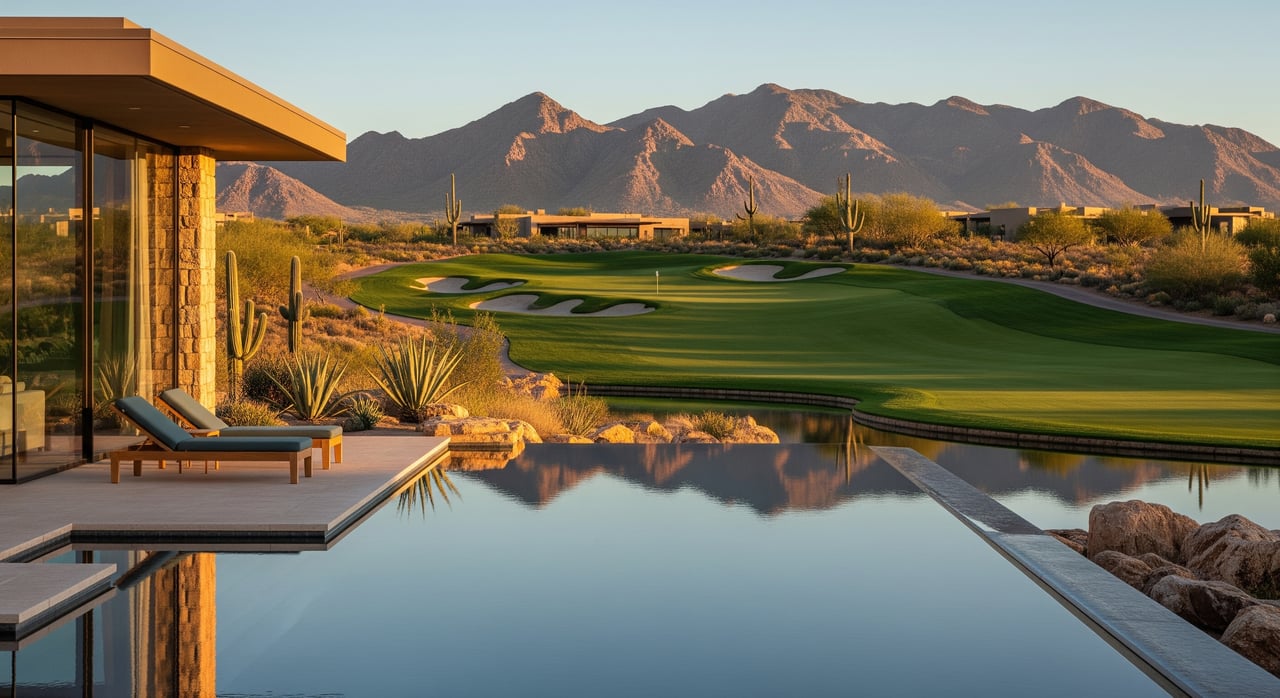
- Luxury and golf communities: Expect strong winter traffic from seasonal residents and second-home buyers. Launching before the holidays or in early winter can be effective if you plan around scheduling.
- 55 plus and downsizing homes: Seasonal visitors often tour during winter and write in spring. Highlight single-level layouts, guest suites, and low-maintenance yards.
- Mainstream family homes: Spring list dates can align with summer closings. Emphasize move-in readiness and clear timelines for buyers who need to plan around school calendars.
Bringing it all together
Oro Valley’s housing market moves to a steady winter-to-spring rhythm, with peak listings in February to May, high winter showings from seasonal visitors, and closings that stack up from May through August. If you are selling, pick a target season and prepare early so you can shine when buyers are most active. If you are buying, choose between selection in spring or potential leverage in fall, and plan your tours around weather and vendor availability.
When you want a calm, expert plan tailored to your timing and goals, I am here to help. As a local advisor backed by professional resources, I coordinate everything from remote tours and inspections to negotiation and closing timelines. Reach out to Cindie Wolfe to talk through your move.
FAQs
What is the best month to list a home in Oro Valley?
- Late winter to spring, especially February to May, typically brings the largest buyer pool and the most showings. If your home appeals to seasonal buyers, late fall or early winter can also work well with careful scheduling.
Do winter visitors in Oro Valley actually buy homes?
- Yes. Seasonal visitors include retirees, second-home buyers, and investors. Some purchase during or after their winter stays, while others choose short-term rentals; always verify HOA and local rules if you plan to rent.
When do most Oro Valley home sales close each year?
- Many contracts that form in spring close from May through August, reflecting a typical 30 to 60 day escrow period. Closings often slow in late December and early January.
How does the summer heat affect showings and open houses in Oro Valley?
- Extreme heat reduces midday traffic in July and August. Schedule tours in the morning or evening and ensure cooling systems and shading help the home show comfortably.
As an out-of-state buyer, when should I visit Oro Valley?
- Visit January to March or March to May to see the most activity and options. For lower competition, consider September to November, but expect fewer active listings.
Are there months I should avoid for closing on a home in Oro Valley?
- Try to avoid the last two weeks of December due to holiday slowdowns with lenders and vendors. Late July vacations can also stretch timelines, so build in buffer time.